Applications are open for 2027–2028

A home away
from home.

A small Montessori and Reggio-inspired school for children ages 2 to 6, in a quiet San Mateo neighborhood since 1982. We believe young children learn most deeply when they feel known, trusted, and at home.

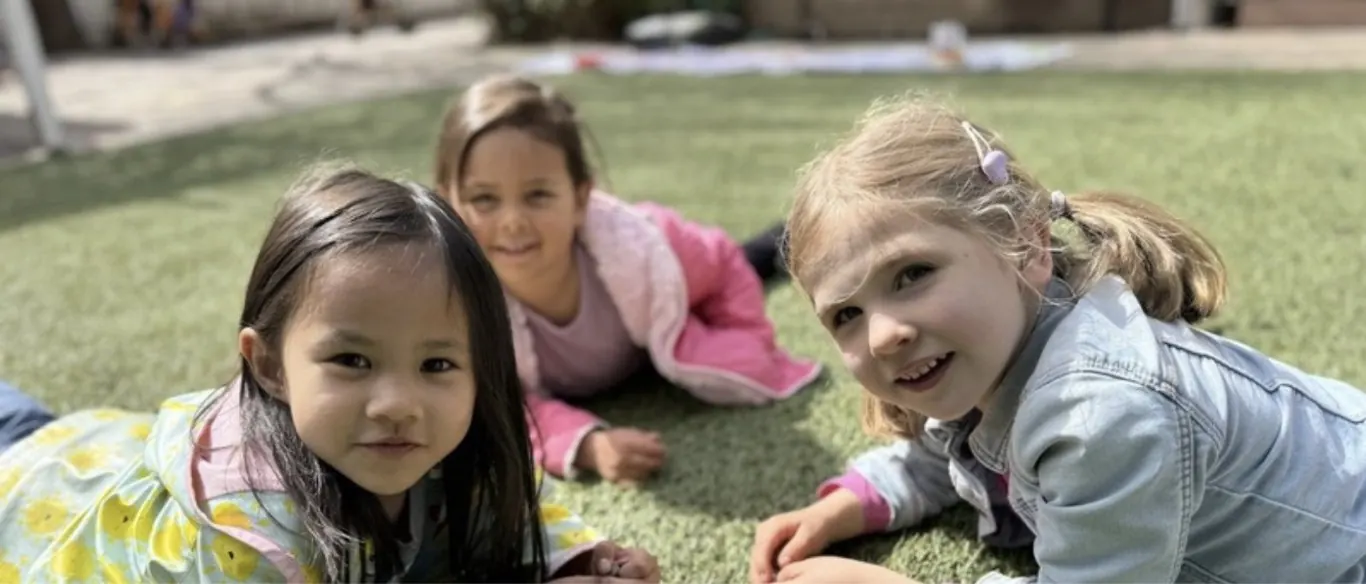
Three Highland children smiling while lying on the grass outside
Since 1982614 Highland Avenue, San Mateo
2 to 6Ages, through TK
1:5 to 1:6Teacher-to-child ratio
3Classrooms: Montessori, STEM and Atelier
8 to 4Monday to Friday, 8:00 am to 4:00 pm

01What we believe

Young children aren’t getting ready to learn. They’re already learning, in the care it takes to pour water without spilling, in a heated debate about why the tower fell, in the way one child sits down beside a friend who is sad. Our work is to notice that learning, protect the time it needs, and help it go deeper.

I.

The child is capable.

We begin from what a child can do, not what they can’t do yet. Children set the table, solve their own disagreements, and choose their own work. They rise to the trust we give them.

II.

The room is a teacher.

Every shelf, material, and quiet corner is chosen with care. A calm, ordered room tells a child: this space is yours, you can find what you need, and you can put it back.

III.

Relationships come first.

Children take risks, in learning and in friendship, when they feel safe with the adults around them. Everything else we do rests on that trust.

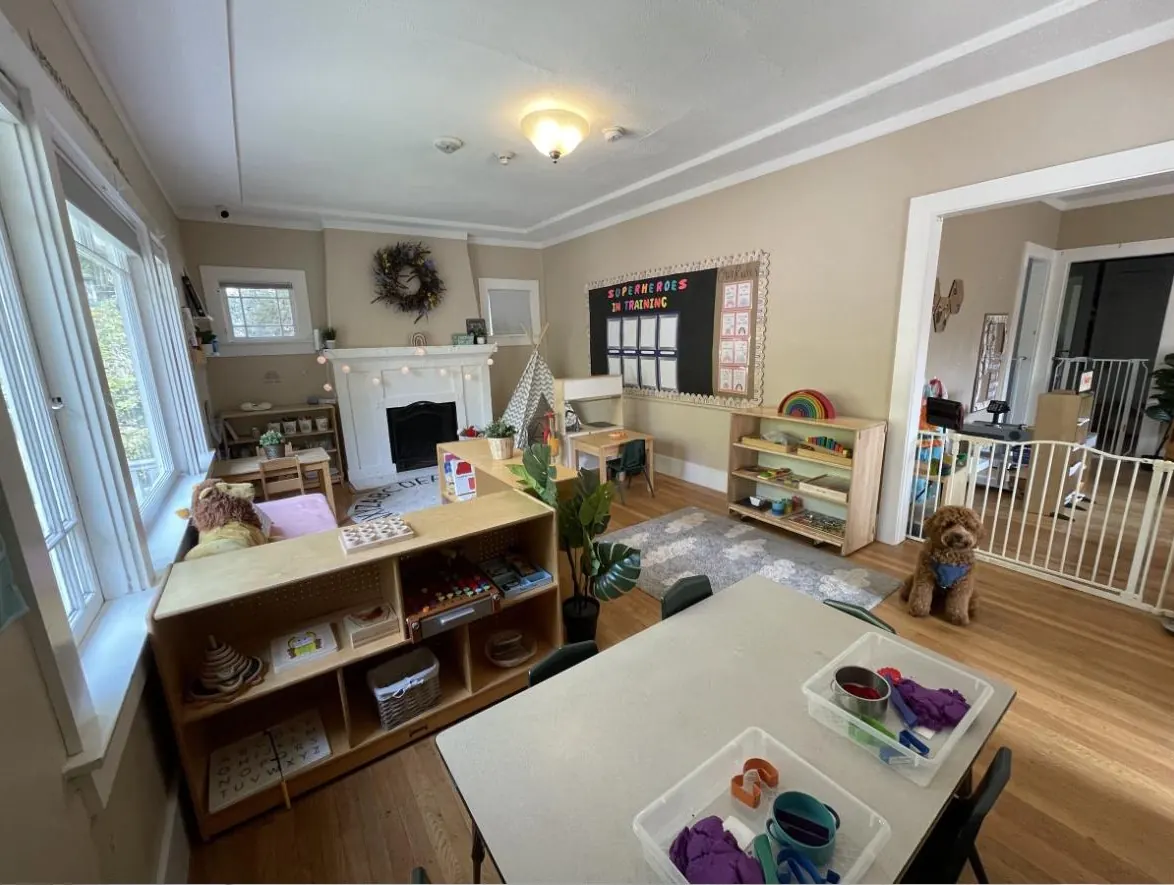
A Highland classroom with low wooden shelves, a reading corner by the fireplace, and the school dog keeping watch
One of our classrooms, set up so children can find what they need on their own.

02Our story

Small on purpose, for more than forty years.

Cecilia Boland-Walsh opened Highland in 1982 with a simple aim: a school that felt like a second home. Today it is led by her daughter, Molly Hanlon, who teaches alongside our team and brings current research on how young children learn to that same foundation.

We have stayed small by choice. A small school means teachers know each child’s temperament and interests, notice the day something finally clicks, and know the families well enough to work as true partners.

Our children learn together across ages. Older children slow down to help, explain, and lead. Younger children watch, imitate, and reach a little higher than they would on their own.

1982The year Highland opened
1:5 to 1:6Teacher-to-child ratio
TKChildren can stay through their TK year

03Our program

Three classrooms, one way of seeing children.

Montessori gives children order and independence. The Reggio Emilia approach gives them room to wonder out loud. Each day, children move between our Montessori classroom, our Atelier, and our STEM space, and the questions they carry with them shape what we explore next.

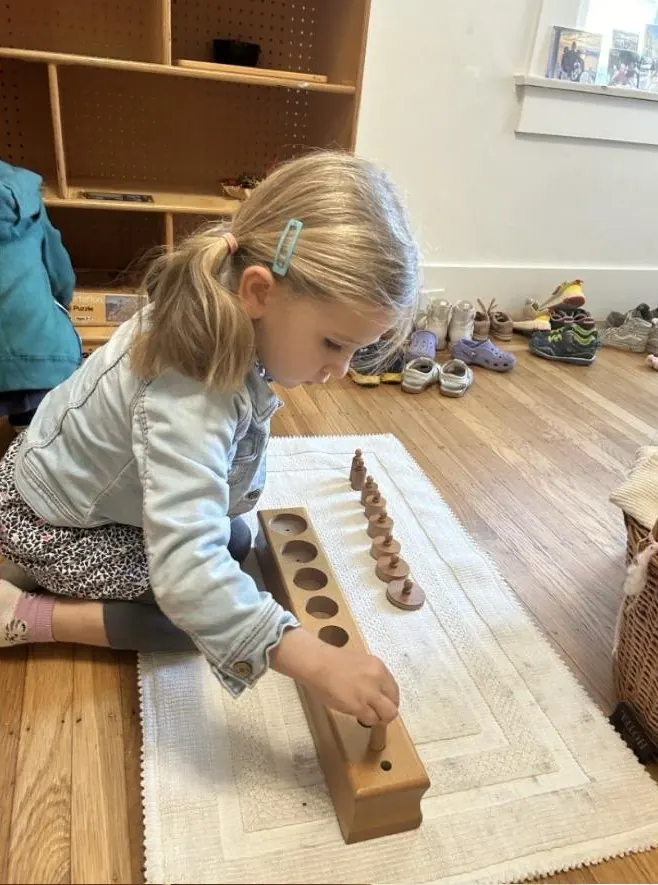
A child working with the knobbed cylinders on a rug

The Montessori Classroom

Order you can see. Independence you can feel.

Materials sit on low shelves where children can reach them. A child chooses a piece of work, carries it to a rug, stays with it as long as they need, and returns it for the next friend.

Inside that simple cycle is a lot of growth: concentration, care for shared things, and the quiet confidence of finishing something on your own.

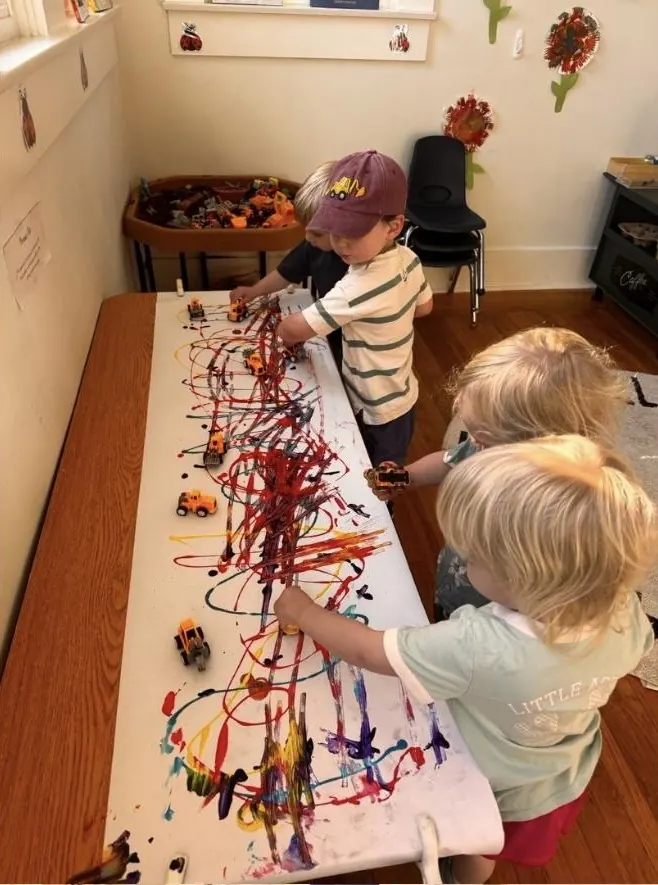
Children painting together on a long roll of paper, using toy trucks as brushes

The Atelier

A studio for thinking.

In the Reggio tradition, art isn’t a craft to take home. It’s one of the many languages children use to work out what they know. Drawing, paint, and clay let a child show an idea they don’t yet have words for.

Children come back to the same work over days. Instead of “that’s beautiful,” teachers ask “tell me about it,” and what the child says often matters more than the picture.

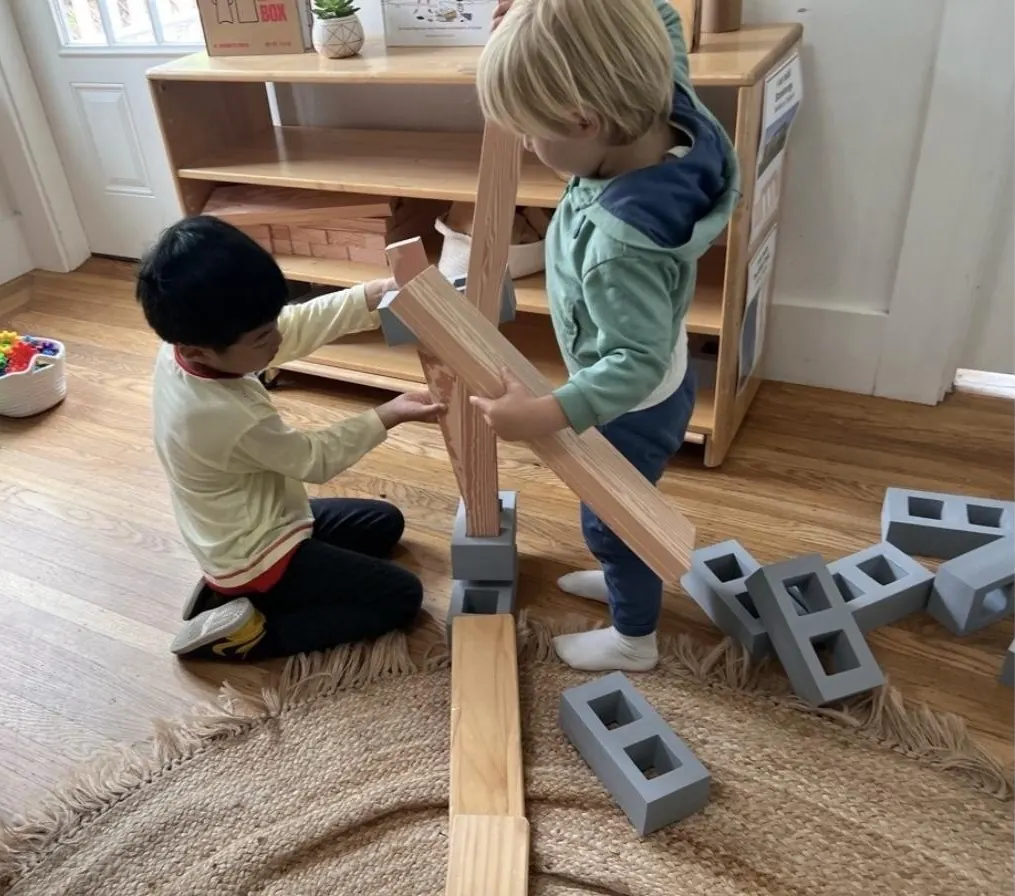
Two children building a structure with wooden planks and blocks

The STEM Space

Every fallen tower is information.

With blocks, ramps, and loose parts, children plan, predict, and test. Two builders have to agree on where the next plank goes, which is its own kind of engineering.

When something collapses, we don’t rush to fix it. We ask what happened and what they might try next. That habit of trying, noticing, and adjusting is the beginning of scientific thinking.

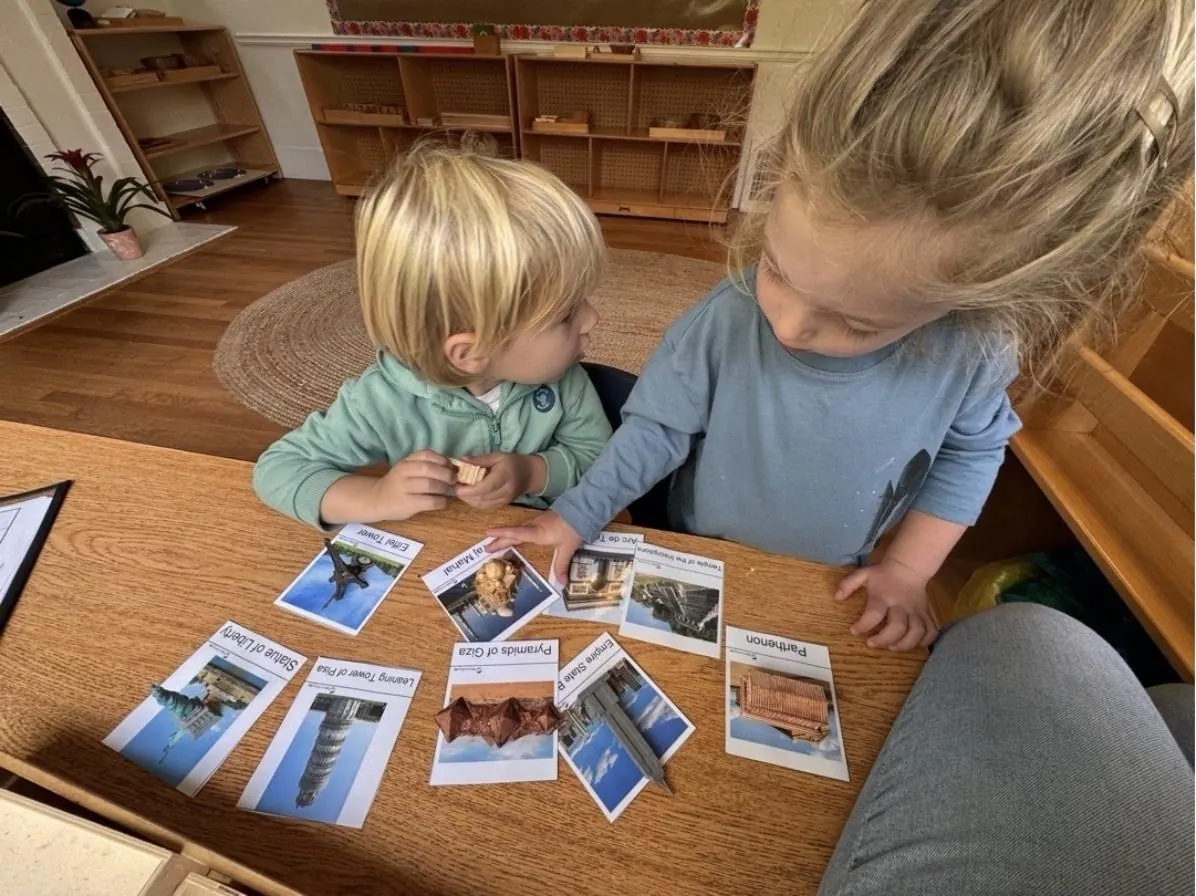
Two children sorting picture cards of famous buildings around the world

Across all three rooms

A curriculum that follows a question.

Our longer studies grow out of what children are curious about. One study of homes started with our own houses and wandered to castles, apartments, and famous buildings around the world.

Teachers listen, write down what children say, and use it to plan the next step. No one could have planned the path in August, and that is the point.

04A day at Highland

A steady rhythm children can count on.

Young children feel safest when they know what comes next. Our days follow the same shape, with long, unhurried stretches of work time at the heart of them.

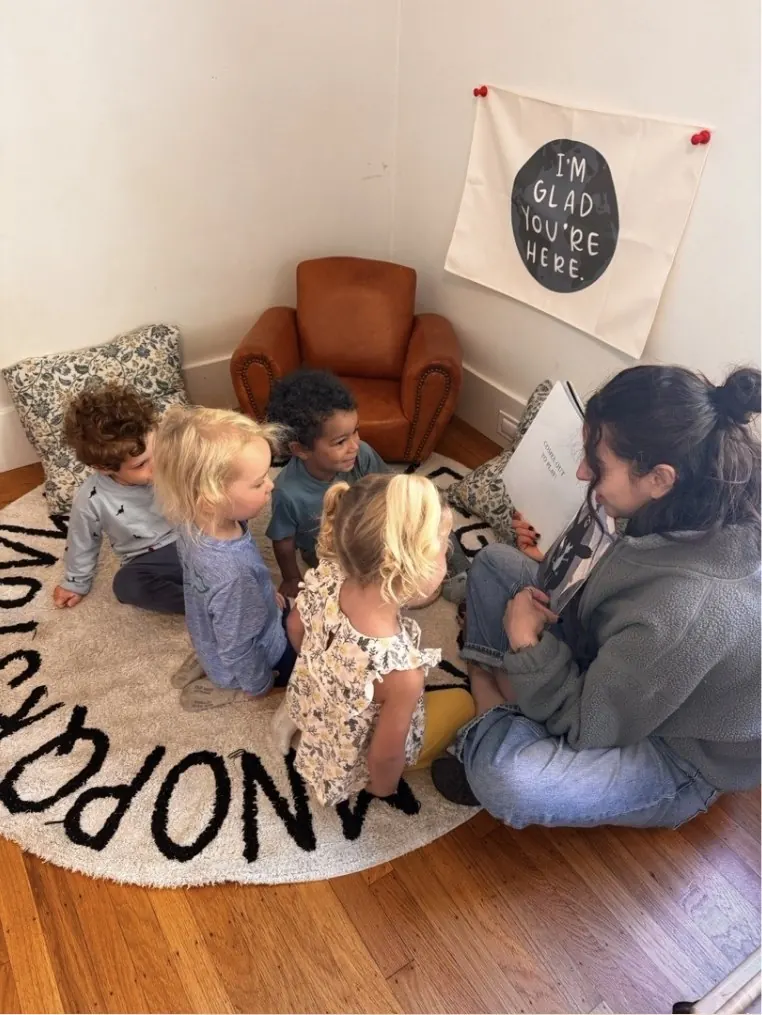
A teacher sits with a small group of children on a rug in the classroom
  1. Drop-off. Families arrive any time in this window.

  2. Morning meeting, together as a group.

  3. Morning

    Long work time across our Montessori classroom, Atelier, and STEM space.

  4. Morning snack.

  5. Midday

    Lunch from home, then rest from about 1:00 to 2:30 or 3:00 pm.

  6. Afternoon snack, then projects and play.

  7. Pickup by 4:00.

Open Monday through Friday, 11 months a year. Closed in July. This is our 2026–2027 rhythm; schedules for 2027–2028 have not been decided yet.

05How we know your child

We watch closely, and we write it down.

Daily observation

Teachers note what each child chooses, returns to, and struggles with. Those notes shape the next lesson.

A formal assessment

Each winter, we complete the DRDP, California’s developmental assessment, for every child.

Conferences

We sit down with each family to talk through growth, questions, and what comes next.

A window into the day

Photos and notes through Brightwheel, so the question “what did you do today?” has a better answer.

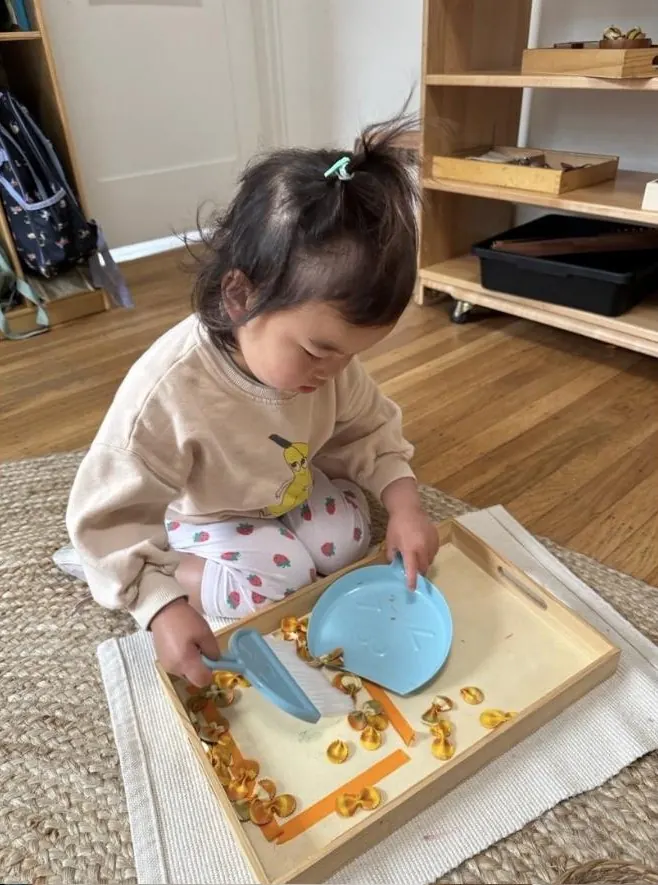
A young child sweeping spilled pasta into a dustpan on a tray
Small moments, like cleaning up a spill from start to finish, tell us a lot about a child.

06How we guide children

Big feelings aren’t misbehavior. They’re something to learn.

A three-year-old who grabs a toy isn’t being bad. They’re still building the skills to wait, to ask, and to cope with no. We teach those skills the way we teach anything else: patiently, with a calm adult nearby. Our approach draws on Daniel Siegel’s No-Drama Discipline and Sarah Ockwell-Smith’s Gentle Discipline. We don’t use time-outs or punishment.

First

We stay close.

An upset child isn’t sent away to calm down alone. A teacher stays beside them until their body settles. A child can’t solve a problem while they’re still flooded with feeling.

Then

We give feelings a name.

“You’re frustrated because you wanted a turn.” Naming a feeling helps a child make sense of it. Over time, they learn simple ways to calm themselves, like slow breathing, that they can use on their own.

Finally

We make it right together.

Rather than a quick, empty “sorry,” we help children hear each other, find a solution, and repair the friendship. These are skills they’ll use for the rest of their lives.

“We not only appreciate their philosophy in discipline (which is a positive redirecting approach) and teaching but their creative curriculum and the overall love they have for each student.”
Nahel, Highland parent
“They teach independence, kindness, diversity & many more important skills. My daughter is so happy everyday and her growth since coming here is amazing to watch.”
Christine, Highland parent
As soon as our son started we saw such an amazing change. He was coming home happier and eager to go to school to see his new friends and teachers.
Roxy, Highland parent

07Our team

The people your child will spend their days with.

A small team means teachers know each child’s temperament and interests. Every teacher learns Montessori practice here, and our team keeps learning together through regular workshops.

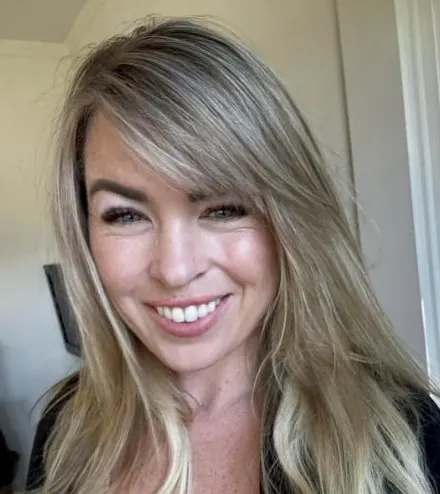
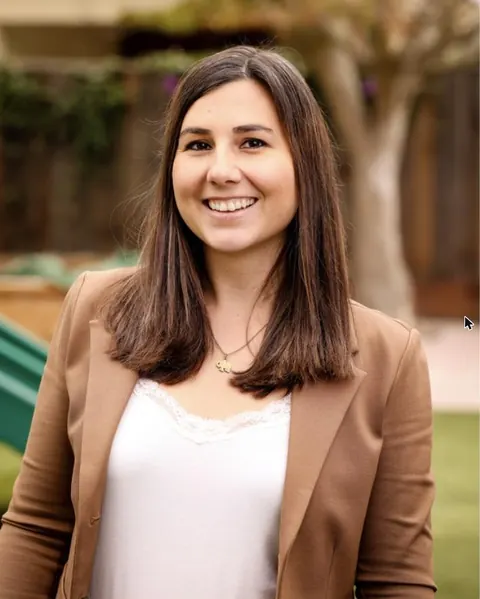
Molly Hanlon, Owner and Director

Molly Hanlon

Owner and Director

Leads Highland and teaches alongside the team, carrying forward the school her mother opened in 1982.

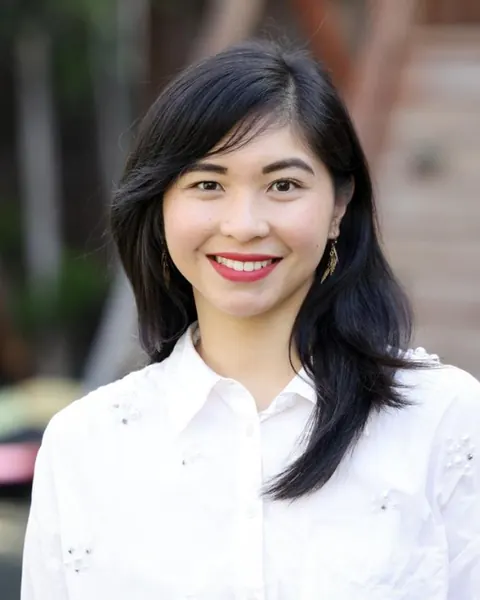
Júlia Ritort, Assistant Director

Júlia Ritort

Assistant Director

Leads tours and enrollment. With Highland since 2020.

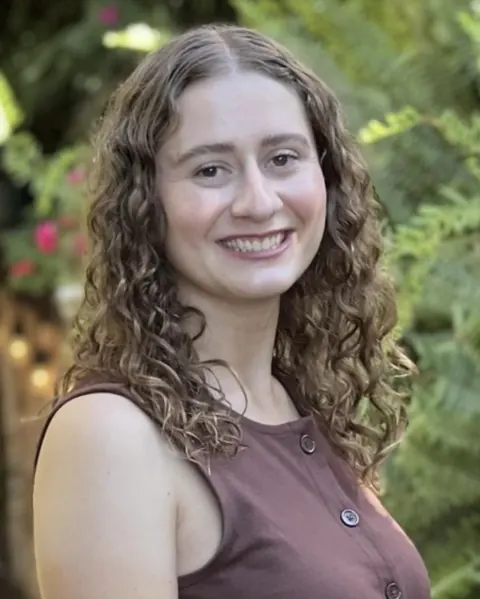
Ana Castro, Lead Teacher

Ana Castro

Lead Teacher

Lead Teacher at Highland since 2023.

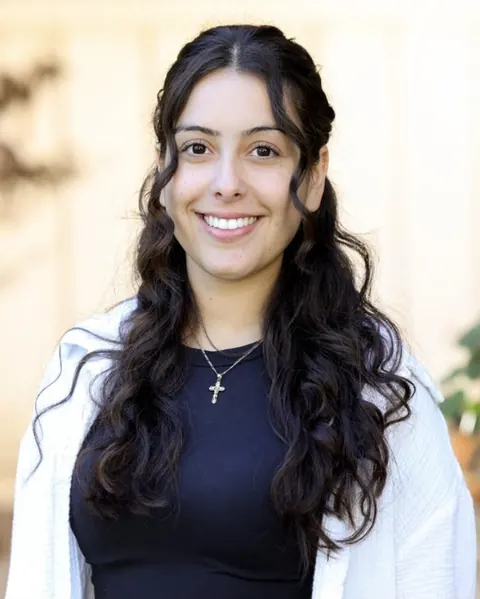
Connie Alvarez, Teacher

Connie Alvarez

Teacher

Seven years in early childhood classrooms. Fluent in Spanish, and the cook behind Cooking Thursdays.

Cyrley Rivas, Teacher

Cyrley Rivas

Teacher

Part of our team since 2021, known for her storytelling.

Jazmil Marquez Pulido, Teacher

Jazmil Marquez Pulido

Teacher

More than a decade working with young children.

08Life at Highland

The traditions that make it home.

Rituals give a school its warmth. These are the moments children talk about at dinner and families remember long after their child has moved on.

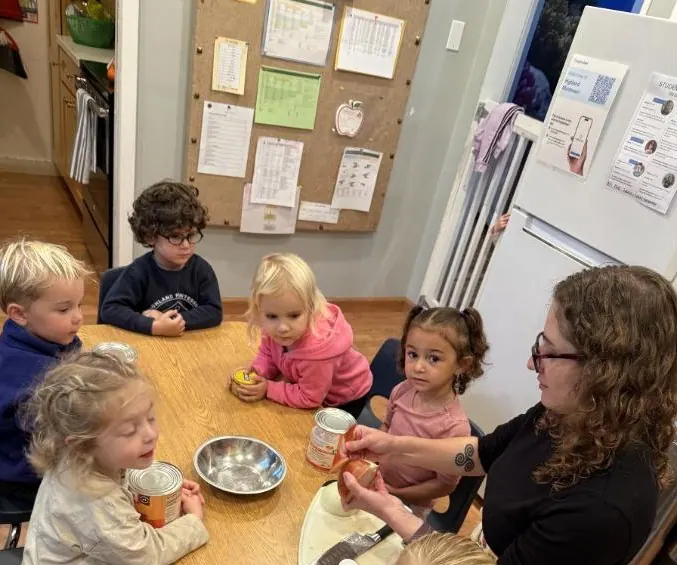
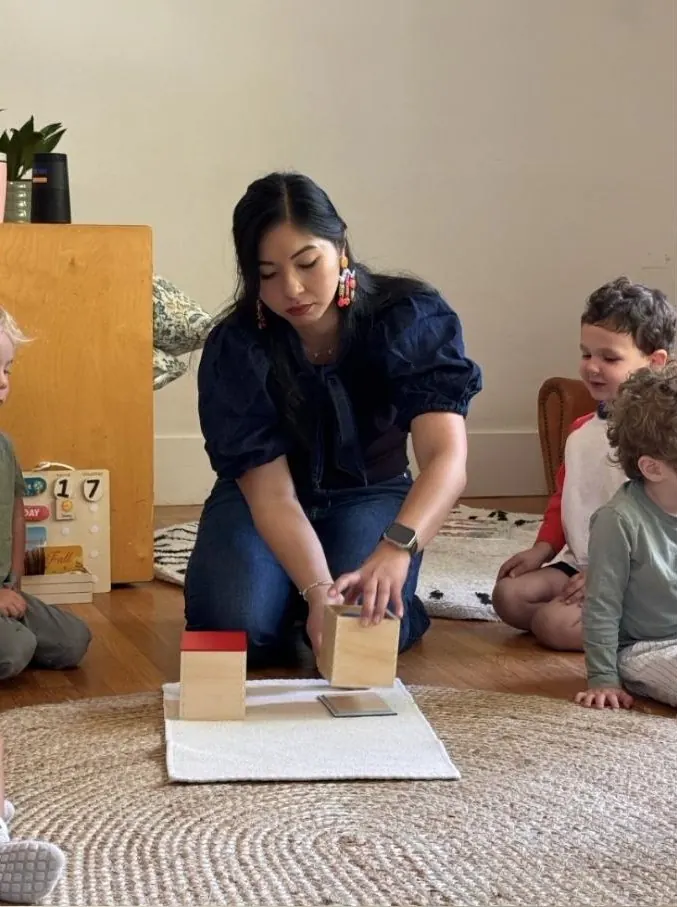
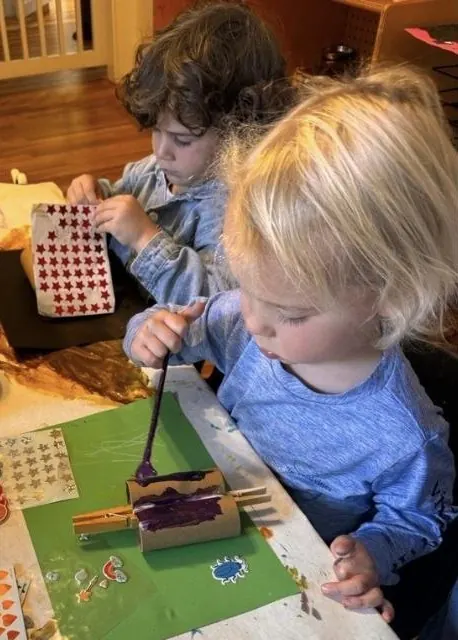
Children cooking together with a teacher at a small table A teacher presents Montessori materials to children on a rug A child paints a cardboard tube with a brush

Cooking Thursdays

Children cook with Mrs. Connie: measuring, mixing, and learning that patience usually tastes better.

Music Wednesdays

Singing, rhythm, and movement with Teacher Deanna of JAMaROO.

Cultural Dinner

Families bring a dish and a story from home to share around one long table.

Birthday Sun

The birthday child carries a globe around a candle, once for every trip around the sun.

Star of the Week

Each child takes a turn sharing their family, favorite things, and stories with friends.

Family Night

An evening at school when children proudly show their families the work they’ve been doing.

09Questions families ask

The practical details.

Don’t see your question? Send us a note or email school@highlandmontessori.com, and we’ll be glad to help.

Schedule a Tour

Enrollment

How do we apply?

Applications are open for the 2027–2028 school year. Share a few details through our tour inquiry form, and we’ll send you the next steps and set up a time for you to tour.

Is there space this school year?

Our 2026–2027 class is full. Families are welcome to join our wait pool, and we reach out when a mid-year space opens.

How do you make enrollment decisions?

We have limited openings each year. Siblings of current students receive priority. Beyond that, we consider the balance of ages in the class and whether our approach is a good fit for your family.

How does the wait pool work?

Rather than a first-come, first-served list, we look at age, class balance, and fit when a space opens, and reach out to the family that’s the best match.

What will classrooms look like in 2027–2028?

Classroom organization and schedules for 2027–2028 have not been decided yet. Please ask us about the year you are considering, and we’ll share what we know.

Our program

What ages do you serve?

Children ages 2 to 6, including a TK year, so children can stay with us until they’re ready for kindergarten.

What is your teacher-to-child ratio?

Our teacher-to-child ratio is 1:5 to 1:6.

Is Highland a traditional Montessori school?

We’re rooted in Montessori, and we also draw on the Reggio Emilia approach and play-based learning. Children spend time in our Montessori classroom, our Atelier, and our STEM space.

How will my child be ready for kindergarten?

Through the Montessori materials, children build real foundations in language and math. Just as important, they learn to focus, follow through, take care of their things, and work out problems with friends, which is what kindergarten teachers most hope to see.

How will we know how our child is doing?

Teachers observe every day, we complete the DRDP, California’s developmental assessment, each winter, and we meet with each family to talk through growth. Photos and notes come home through Brightwheel.

Daily life

What are your hours?

We’re open Monday through Friday, 8:00 am to 4:00 pm, 11 months a year. We’re closed in July. Drop-off is between 8:00 and 8:30 am.

Do you provide food?

We serve a morning snack between 10:15 and 10:30 am and an afternoon snack at 3:00 pm. Families send lunch. If your child has allergies or dietary needs, please send safe snacks from home.

What if my child doesn’t nap?

Every child rests for at least 30 minutes. Children who stay awake then move to quiet activities, and children who fall asleep are left to sleep.

Does my child need to be potty trained?

No. Toilet learning is based on each child’s readiness, and our teachers will work with you along the way.

Tuition

What does tuition cost?

We share tuition for the year you are considering during your tour. Please ask us then.

How is tuition paid?

Through Brightwheel on the 1st of each month, in 11 equal installments. Brightwheel accepts bank transfers and credit and debit cards, and payments can be split between payers.

Do you prorate tuition?

No. Tuition is an annual cost, so absences, vacations, and partial months aren’t prorated.

10Visit and apply

Come see it for yourself.

A website can only say so much. On a tour, you’ll see children at work, hear how teachers talk with them, and get a feel for whether Highland is right for your family. Mrs. Júlia, our Assistant Director, leads each visit.

Applications are open for 2027–2028. Share a few details below, and we’ll take it from there.

A few details.

Tell us a little about your child and the school year you are considering.

Tour inquiry details

Prefer email? school@highlandmontessori.com

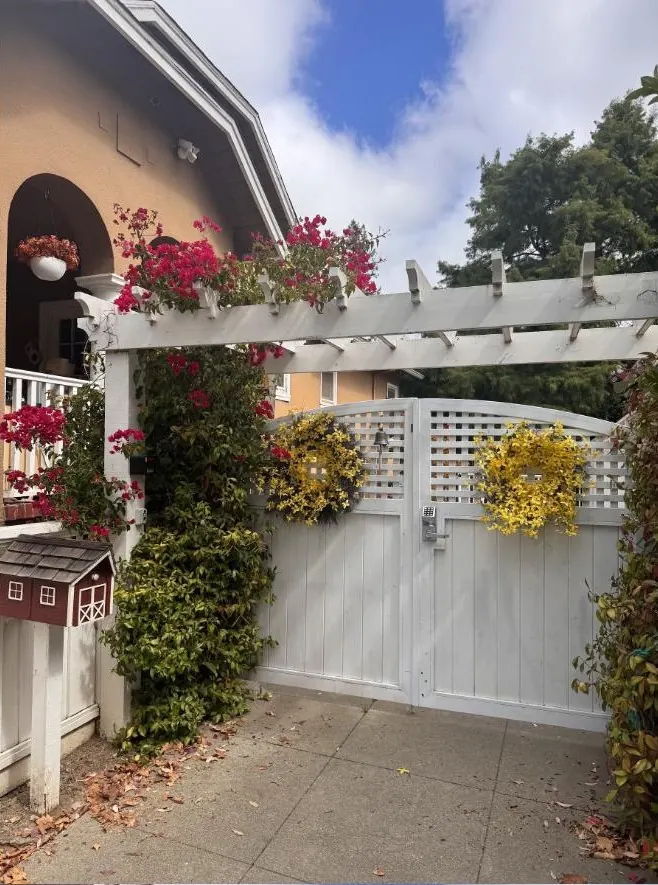
The front gate at 614 Highland Avenue, framed by bougainvillea

Hours

Monday to Friday
8:00 am to 4:00 pm